
SINNERS: CLASS STRUGGLE, BLUES AND VAMPIRES
The reign of Capital is the reign of a monstrous Subject, a kind of living dead.

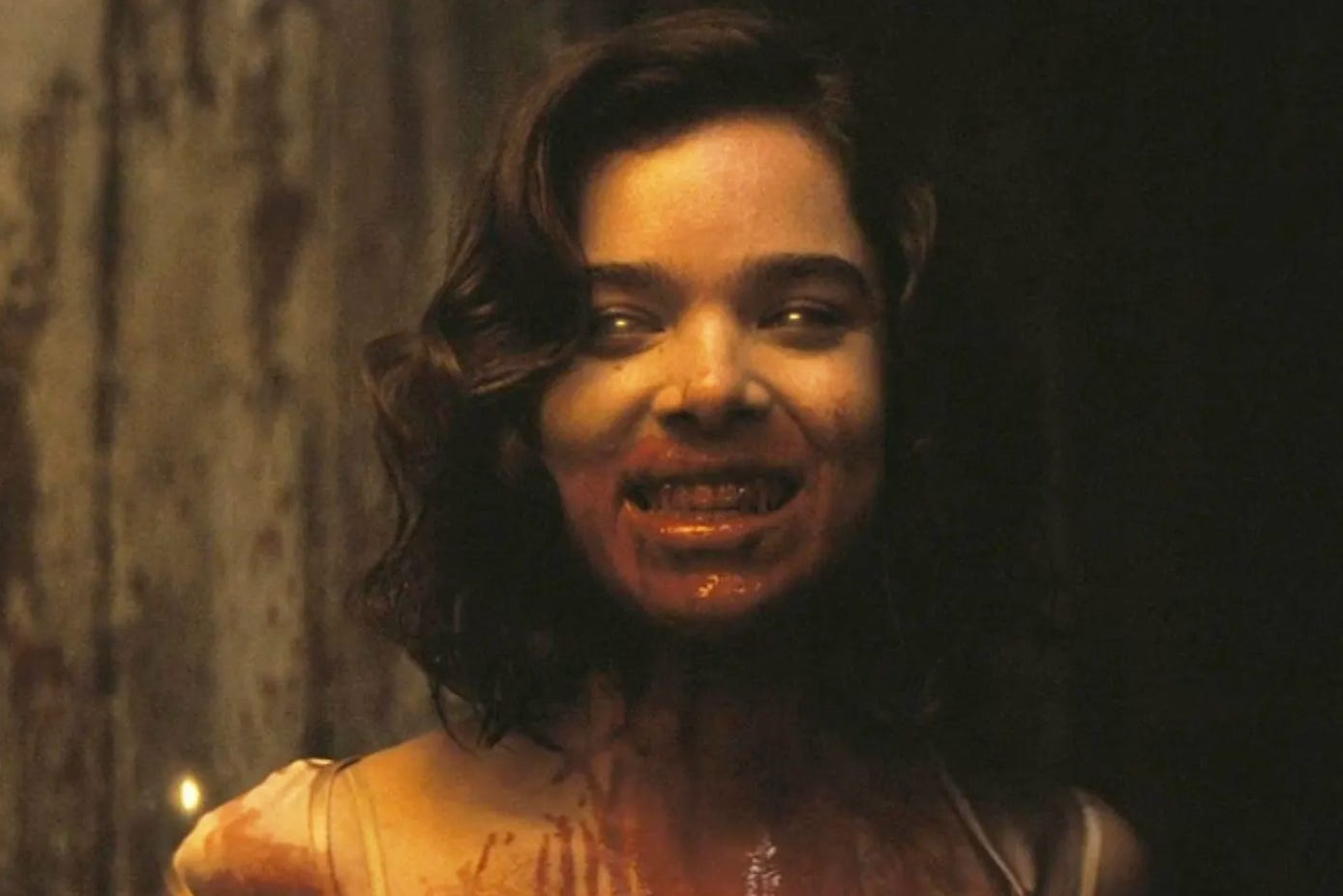
Welcome to the desert of the real!
If you have the means and value writing that both enriches and disturbs, please consider becoming a paid subscriber.
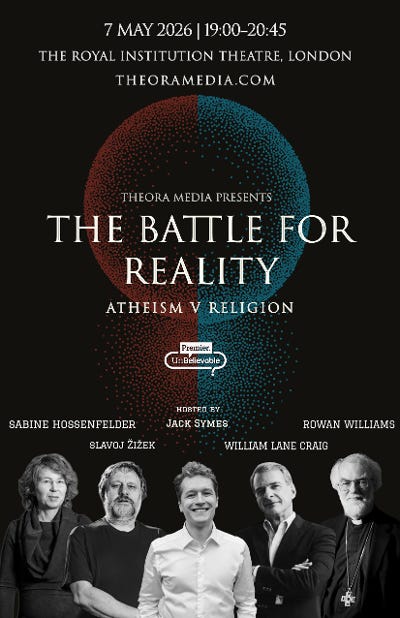
For those interested in my materialist approach to the topic of immortality, I advise them to visit the public debate BATTLE FOR REALITY (May 7 in the Royal Institution Theatre, 21 Albemarle St, London W1S 4BS).
I will participate with Sabine Hossenfelder, Rowan Williams and William Craig - see the attached link.
Sinners (Ryan Coogler, 2025) is an extraordinary achievement: a movie made by blacks about blacks, a movie whose texture, up to the tiniest details (like the depiction of sexuality), breaks with all the Hollywood progressive-liberal clichés… in short, a movie that fully deserves the record number of Oscar nominations (and let’s hope it will not be beaten by One Struggle After Another). There is no place here for an analysis of this complexity, so let’s focus on just one aspect: the weird presence of vampires in this story about the brutal social reality in the US of the early 1930s (the oppression and exploitation of blacks whose only solace is refuge in blues music). Here is the summary of the narrative (reduced to a minimum).
In 1932, identical twins and World War I veterans Elijah “Smoke” and Elias “Stack” Moore return to Clarksdale, Mississippi, after spending seven years in Chicago. Using money stolen from criminal syndicates, they purchase a sawmill from landowner Hogwood to start a juke joint for the local Black community. Their younger cousin Sammie, a singer and guitarist, joins them despite his pastor father Jedidiah’s warnings about the sins of blues music. Sammie’s music is transcendent, unknowingly summoning spirits of both past and future to join the crowd. However, the performance also attracts the Irish immigrant Remmick and his vampires, who offer money and music in exchange for entry. Unable to enter the joint unless invited, Remmick tries to negotiate by inviting the survivors to join him, saying that vampirism offers immortality and freedom from persecution. He promises to leave in exchange for Sammie, whose musical skills he wants to use to summon the spirits of his lost community, also revealing that Hogwood heads the local Klan and plans to attack the joint at dawn. A fight ensues in which all (black and white, humans and vampires) die except Sammie, who leaves for Chicago and makes a career there as a blues musician. In the final short scene that takes place in 1992, an elderly Sammie, now a successful blues musician, is visited by an ageless Stack and Mary, his white lover, at his local blues club. Stack reveals that Smoke spared him and Mary at the joint on the condition that they leave Sammie in peace. After declining the couple’s offer of immortality, Sammie performs for them. As they depart, Sammie admits that, despite being haunted by that night and its violence, it was the greatest day of his life.1
So why vampires? At this point, we should go back to Immanuel Kant…
